

How to Plan a Wedding in Jordan, from Start to Finish
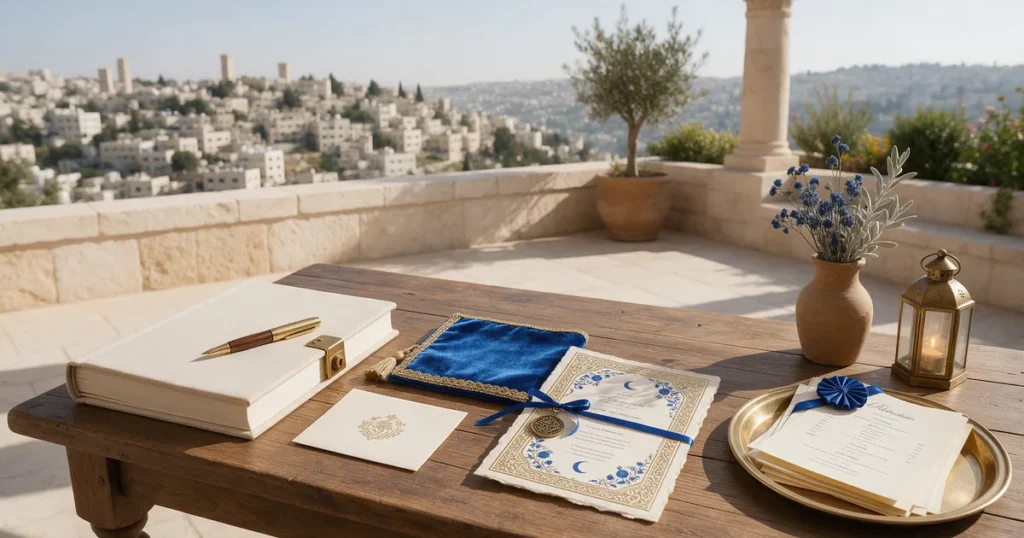
Key facts
- Agree on celebration format and three priorities each.
- Record decision owners and family contributors.
- Set target spend, ceiling and change reserve.
A shared decision sheet keeps family input visible without losing track of who makes each final choice.
1. Agree on the celebration before collecting quotes
Write down three priorities each: perhaps a convenient Amman venue, a particular style of food, a smaller gathering, or a separate henna evening. Decide whether the main event is a reception, a family meal, or several celebrations. Note accessibility, prayer needs, privacy preferences, travel from other cities or abroad, and whether families expect separate seating or a shared room.
These choices shape the venue, guest count and schedule. Do not let a package offer make these decisions for you.
Choose one place to record decisions and one person from each family to gather feedback. A relative may be helping with the arrangements without having authority to sign a contract. Name the decision owners explicitly, especially when others contribute financially.
2. Set a spending ceiling and a first guest range
Separate the maximum available amount from your target spend, and keep a reserve for changes. List venue and catering, attire, photography, beauty, music or zaffe, invitations, transport and any pre-wedding gatherings. Record what each family will pay and by when.
Prices are quotes for a defined scope, not universal Jordanian averages; ask for the total in JOD, taxes and fees if applicable, deposit, installments and cancellation terms.
Create an A list of people you want to invite, then a B list only if the venue and budget allow it. Count children and potential companions according to a policy you agree on. A rough range is enough to shortlist venues; an exact count comes later. If the quote changes per guest, calculate the effect before adding names.
Wedding Planning Steps
Check each item as you complete it. Add it to your notes app or keep your progress in Favorites.
3. Choose the place and date together
Shortlist venues by realistic seated capacity, location, access for older guests and people with disabilities, parking, weather backup, food rules and the hours available for setup and departure. Visit the actual event space. Ask for a written breakdown of included furniture, sound, service staff, food minimums and overtime. An outdoor site in summer and a winter hall have different practical risks.
Check your preferred dates against key family availability and existing commitments before paying a deposit.
Use Farhetna’s wedding service directory to begin discovery, then verify each listing and current terms directly with the provider. Keep a copy of the signed agreement and payment receipt.
4. Book the important suppliers and make one working plan
Identify which services are essential to your event and which can be simplified. Send the same brief—date, venue, guest estimate, hours, deliverables and budget range—to comparable vendors. Ask who will actually attend, what is included, when work begins and ends, and what happens if a team member is unavailable. Compare complete offers, then reserve only after written confirmation.
The questions in Farhetna’s vendor interview guide can help structure each call.
Create a shared tracker: supplier, named contact, agreed deliverables, payment dates, setup needs and final confirmation deadline. Include someone to coordinate deliveries on the wedding day so the couple is not answering every call.
5. Invite, confirm and close the loop
Prepare names in Arabic and English as needed, with one household record and an explicit number of seats. Confirm wording and location details with both families. Send invitations early enough for travel arrangements and set a reply deadline that leaves time for the venue’s final count. Track attending, declined and no response separately. Follow up politely once; do not treat silence as acceptance.
Share the exact address and directions after details are final.
In the final stretch, reconcile the confirmed guest count with catering, seating and any vendor charged per person. Walk through the day from setup to departure: contacts, arrival times, sound checks, family photographs, accessibility, weather fallback and transport. Send the final version to suppliers and the family coordinator. After the wedding, collect outstanding deliverables and close payments against the contract.
Common questions
What should we book first?
Decide the budget and approximate guest range, then secure a venue and date before booking suppliers whose availability depends on them.
Can families help without taking over?
Yes. Give each person a clear task and deadline, and agree in advance who approves spending and contract changes.
Is there one correct planning timeline?
No. The lead time depends on date flexibility, guest travel and supplier availability. Work backward from each provider's real deadline.
Related stories
Outdoor Wedding Weather Plan in Jordan: Rain, Wind and Heat
Rain, wind or heat can change an outdoor ceremony. Agree on a seated indoor fallback, decision owner, timing,…

How to Plan Wedding Guest Accommodation in Jordan
Help out-of-town guests find a suitable stay near your Jordan wedding. Compare complete room offers, clarify who pays…

How to Plan Wedding Guest Transport in Jordan
A practical arrival and return plan for wedding guests in Jordan, covering the guest gate, parking, shuttle seats…